
Case Study: What Paid and Organic Overlap Actually Costs
Identifying overlap is one thing; pricing it is what changes budget decisions. This analysis evaluates paid clicks on searches where organic pages already held strong visibility and considers where that investment could create more incremental value.

The challenge: overlap was visible, but its financial impact was not
A paid and organic overlap report can show that both channels appear for the same keyword. That is useful, but it does not answer the question leadership usually asks: what does the overlap cost, and what could the budget accomplish elsewhere?
For a home builder, the answer cannot be based on clicks alone. A paid click may support a community launch, protect a brand term, or produce a lead that would not have happened through organic search. Conversely, a paid click on a mature organic result may add limited incremental value. The analysis needed to distinguish those situations.
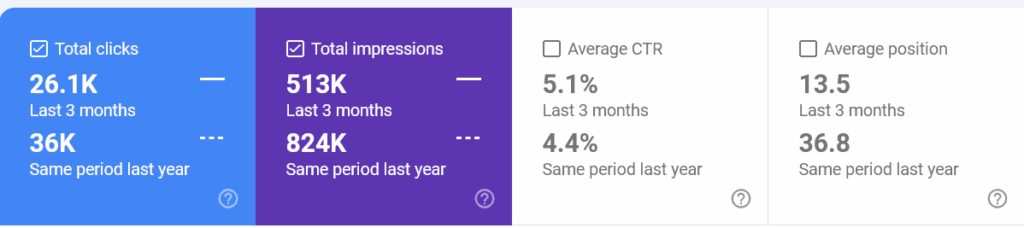
The approach: move from overlap to incremental value
The first step was to use the companion diagnostic process to identify searches where paid coverage and organic visibility overlapped. Those searches were then grouped by brand, community, location, product, and buyer intent.
The analysis considered paid spend, clicks, impressions, organic position, landing page, conversion behavior, and the strength of the organic result. Where possible, the evaluation also considered lead quality and downstream business value. A click from a high-intent community search should not be treated the same as a low-intent informational visit.
The goal was not to assign a universal value to every overlapping click. It was to estimate where paid investment was most likely to be incremental and where it was more likely to duplicate an organic path already available to the searcher.
The result: a better framework for budget decisions
Pricing overlap changed the conversation from channel preference to resource allocation. Instead of asking whether paid or organic was responsible for a conversion, the team could ask whether the combined presence created additional value and whether the same investment could produce more reach elsewhere.
Some campaigns could remain justified because they supported strategic objectives or reached searches where organic visibility was not reliable. Other campaigns became candidates for testing, bid adjustments, landing-page changes, or reallocation toward markets and queries with weaker organic coverage.
The analysis also reinforced the importance of measurement discipline. A reduction in paid clicks is not automatically a loss if qualified demand and total conversions remain stable. Likewise, maintaining paid coverage may be appropriate when it protects a valuable result or improves the path from search to inquiry.
What home builders can learn
Overlap should be evaluated financially, but not simplistically. The right decision depends on intent, organic strength, competition, conversion behavior, and the business value of the lead.
A useful analysis creates testable hypotheses. For example, a builder may reduce bids for a defined group of branded searches, monitor total paid and organic conversions, and compare lead quality before making a broader change. This is more reliable than assuming that every overlapping click is wasted or that every paid listing is necessary.
What this meant for search strategy
The lesson was not that Paid Media should be removed. Paid Media still plays an important role in speed, testing, demand capture, and short-term visibility. The real issue was funding both channels without enough alignment around where each should lead, where each should support, and where overlap was becoming unnecessarily expensive.
A stronger search strategy requires evaluating SEO and Paid Media together, especially on high-intent queries. Some search terms are worth protecting with paid campaigns. Others should gradually shift toward organic ownership as SEO matures. Without that discipline, companies continue investing in both channels while misreading the true return of one of them.

Protect bottom-funnel, high-intent queries with paid for speed and control.
Allow mid- and upper-funnel terms to shift toward organic ownership as rankings strengthen.
Review overlaps regularly so budget can be redirected from cannibalized areas into new opportunity gaps.
Evaluate both channels together, not in silos, to understand total search performance.
This case made one thing clear: the business was not just paying for traffic. It was paying twice to compete for search demand that should have been managed more strategically.
Frequently Asked Questions About Paid Media and SEO Overlap
How do you calculate the cost of paid and organic overlap?
Start with overlapping queries, then evaluate paid spend, clicks, organic visibility, conversions, lead quality, and the likely incremental contribution of the paid listing.
Is the cost equal to total paid spend on overlapping keywords?
Not necessarily. Some overlapping spend may create incremental value, protect strategic demand, or support conversions that organic search would not have captured.
What does incremental value mean in this context?
It is the additional reach, conversion, or business value generated by paid coverage beyond what organic visibility would likely have produced.
Can this analysis be done for branded searches?
Yes, but branded searches require careful interpretation because brand protection, competitors, promotions, and messaging control may justify paid coverage.
How should a builder test a budget change?
Use a defined group of queries or markets, establish baseline performance, change coverage carefully, and monitor total search visibility, conversions, lead quality, and revenue-related outcomes.

The strategist who quantified the overlap
Cristobal Varela quantified this overlap firsthand as in-house SEO manager at the national home builder documented here. See the diagnosis behind it in the companion case study on paid and organic overlap.
Next step
Related: how the overlap was identified
The companion case study explains the diagnostic process used to map paid keyword coverage against organic rankings before the financial impact was evaluated.